Type, inspection and repair of casting defects
Type, inspection and repair of casting defects
Compared with other processes, the casting process is a more complex process. In the whole casting production, there are many factors that affect the quality of castings, and it is easy to produce various types of casting defects. Although the casting produces defects. But it should not be uniformly regarded as waste. It should be analyzed according to the specific situation of castings. Most defective castings can also be used after repair.
1. Common defects of castings
Casting defects are: cold isolation, insufficient pouring, pores, sand, sand, sand, sand and so on.
1) Insufficient cold isolation and pouring
The liquid metal filling capacity is insufficient, or the filling condition is poor, before the cavity is filled, the metal liquid will stop flowing, which will cause the casting to have insufficient pouring or cold isolation defects. When the casting is insufficient, it will make the casting can not obtain a complete shape, but because there are not fully fused joints, the mechanical properties of the casting are seriously damaged, to prevent insufficient casting and cold isolation: improve the pouring temperature and pouring speed.
2) the porosity
The gas escapes in time before the metal liquid crusting, resulting in voids in the casting. The inner wall of the gas is smooth, bright or with a slight oxidation color. The porosity in the casting will reduce its effective bearing area, and the stress concentration around the porosity will reduce the impact resistance and fatigue resistance of the casting. Porosity can also reduce the compactness of castings, resulting in the scrapping of some castings that are required to withstand hydraulic tests. In addition, the porosity has a bad effect on the corrosion resistance and heat resistance of castings. Prevent the generation of pores: reduce the gas content in the metal liquid, increase the air permeability of the sand mold, and increase the air outlet at the highest point of the cavity.
3) the adhering sand
The surface of the casting is adhered to a layer of sand that is difficult to remove. The sticky sand not only affects the appearance of the casting, but also increases the workload of casting cleaning and cutting, and even affects the life of the machine. For example, the surface of the casting tooth is easily damaged by sand, and the life of the machine such as the pump or engine. It affects fuel oil and gas. The flow of fluids such as lubricating oil and cooling water, and can stain and wear the whole machine. Prevent sand: in the molding sand if coal powder, and in the casting surface brush anti-sand coating.
4) sand inclusion
The grooves and scars formed on the surface of the casting are easy to occur when casting thick and large flat castings with wet mold. Where the upper surface of the sand mold is in contact with most of the sand parts in the casting, the upper surface of the cavity is affected by the radiant heat of the metal liquid, which is easy to arch and warp. When the upturned sand layer is continuously washed by the metal liquid flow, it may be broken and broken, remaining in the original place or being brought into other parts. The larger the upper surface of the casting is, the larger the volume expansion of the molding sand is, and the greater the tendency to form sand inclusions is.
5) sand holes
In the casting inside or on the surface filled with sand holes and defects.
6) heaving sand
During casting, under the pressure of metal liquid, the mold wall moves, and the casting parts swell up and form defects. In order to prevent sand expansion, it is necessary to increase the strength of sand mold, the stiffness of sand box, increase the pressure box force or tightening force when closing the box, and appropriately reduce the pouring temperature, so that the surface of the metal liquid can shell early, so as to reduce the pressure of the metal liquid on the casting mold.
2. Inspection of casting defects
Quality checks must be carried out throughout the casting process. Casting inspection is generally divided into intermediate technical inspection and pre-factory product quality inspection. The quality inspection of molding sand, core sand, shape and core, the inspection of molten iron pouring temperature and the pre-furnace test are all intermediate technical tests to ensure the quality of castings. Casting quality inspection refers to the operation process of checking whether the casting is qualified by visual inspection, distance measurement, instrument or other means according to the relevant provisions of user requirements and drawing technical conditions.
Casting quality inspection shall be carried out according to the precision grade and technical requirements of casting drawings. Castings can be divided into three categories according to their quality: qualified products (meet technical requirements); Repair products (although defective, but after repair and correction can meet the technical requirements); Scrap, ie beyond repair. Casting quality inspection includes appearance quality, internal quality and service quality.
1) Casting appearance quality inspection
It refers to the surface condition of castings and the degree of user requirements, including surface roughness, surface defects, dimensional tolerance, shape and weight deviation and other general observation or instrument inspection, commonly used methods include fluorescence inspection, coloring inspection, kerosene penetration inspection and magnetic particle inspection.
2) Internal quality inspection of castings
He refers to the internal situation of the castings that cannot be inspected by the naked eye and the degree to which they meet the requirements of users, including chemical composition, mechanical properties, phase structure and some defects existing in the castings. Generally, chemical analysis, metallographic inspection, non-destructive testing, material testing and other methods of inspection.
Metallographic inspection is a method of using microscope to observe the fracture of casting. Non-destructive testing refers to the inspection of the surface and internal flaw detection without damage to the casting. Penetration testing, etc.
3) Casting quality inspection
Service quality inspection means that the castings can meet only the required performance. For example, the machining performance of castings, welding performance, etc.
3. Repair of casting defects
There are several common casting defect repair processes:
1) welding repair
Using gas welding or electric welding repair process is the most common casting defect repair process. Such as cracks, shrinkage, cold isolation, trachoma and other casting defects, can be used
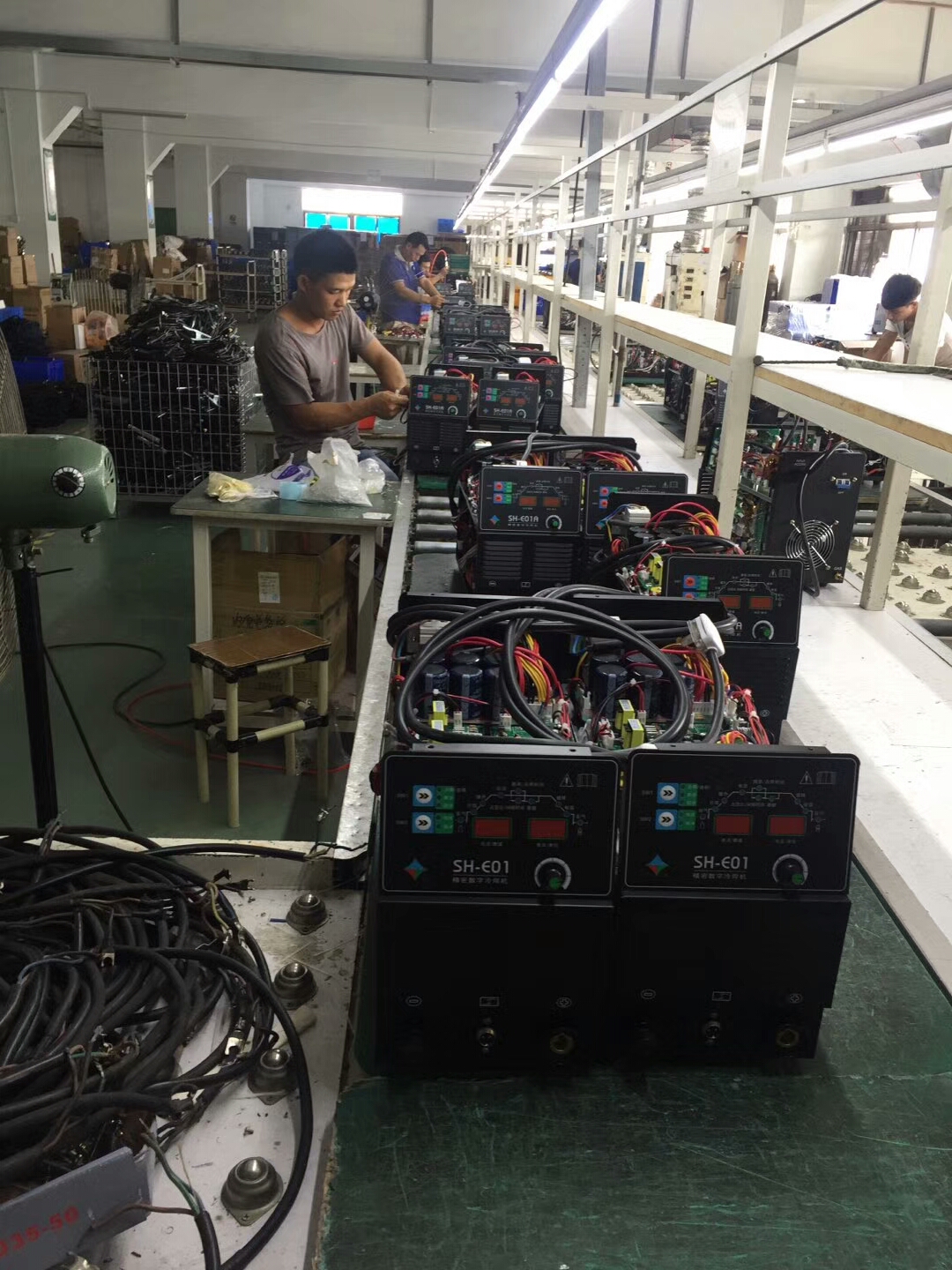
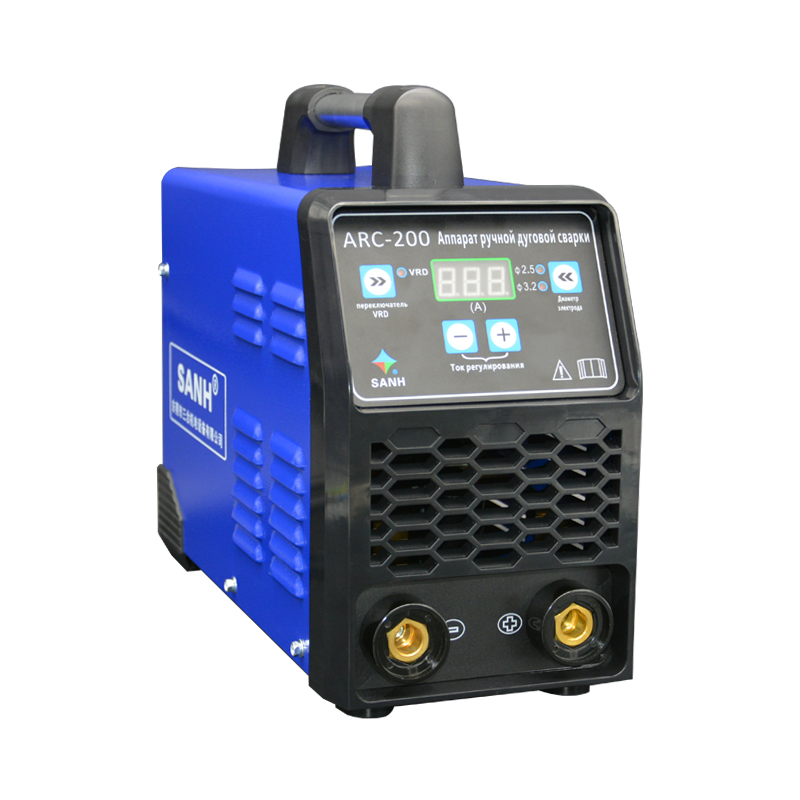
Shm3000 /M4000 casting defect repair cold welding machine Function introduction:
Sanhe SH - M3000 / M4000 cold metal repair welding machine for the casting defect repair cold welder 】 【 a variety of metal (aluminum, zinc alloy, cast iron, copper alloy and all kinds of steel class) artifacts appear scuffed, marked, porosity, trachoma, crack, deformation defects, hardness lower deposit surfacing welding, sealing of defects such as holes, flat, surface strengthening, and repair functions. It can also form a wear-resistant layer, corrosion resistant layer, heat resistant layer, oxidation resistant layer, impact resistant layer, anti-slip layer, high bonding layer, solderable layer, conductive layer and other strengthening effects on the metal surface. Especially suitable for aluminum alloy, zinc alloy casting pores, trachoma, sand holes, cracks, depression and other defects repair and mold, workpiece surface tungsten carbide reinforcement, etc.
No thermal deformation, no cracks, no hardening, repair at room temperature, does not affect the machining performance, can be turned, milling, planing, grinding, polishing and electroplating and other post-processing. Trihe multi-metal defect repair cold welding machine is suitable for: mold, casting, die-casting, mechanical parts, communication equipment, auto parts, large shaft, gear, impeller, printing and dyeing equipment, water conservancy and electric power, and other kinds of metal surface defect repair applications.